
What Are Flies?
Flies are small flying insects found all over the world. They belong to a diverse group of species that vary in size, shape, and behavior. Flies are commonly associated with polluted environments and are considered a maj
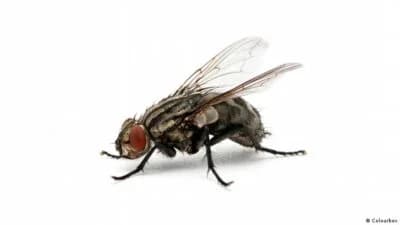
Types of Flies
1. House Fly
The most common type, typically found in areas contaminated with organic waste. House flies pose a serious threat to public health as they carry bacteria and pathogens.
2. Fruit Fly
Fruit flies are attracted to overripe fruits and sugary liquids. They can spread bacteria and contaminate food surfaces.
3. Flesh Fly
These flies feed on decaying meat and organic matter. They can cause food poisoning if they come into contact with exposed food.
4. Egyptian Fly (Musca Species)
The Egyptian fly is widely found in Egypt and nearby regions, both in urban and rural environments.
It has transparent wings and a small body ranging from 6 to 9 mm in length. Egyptian flies feed on organic waste, spoiled food, and decaying plants.
They are considered a public health risk because they can transmit parasites and harmful bacteria such as Salmonella and Shigella. Maintaining hygiene and proper food storage is essential to control their spread.
Fly Life Cycle
Flies go through a complete metamorphosis consisting of four stages:
Egg Stage: Female flies lay eggs in moist environments with available food sources.
Larva Stage (Maggot): Eggs hatch within 1–2 days into larvae that feed and grow rapidly.
Pupa Stage: Larvae transform into pupae, remaining inactive for 3–5 days.
Adult Fly: Fully developed flies emerge and begin reproduction, continuing the cycle.
Benefits of Flies
Despite their negative reputation, flies play an important role in the ecosystem:
Decomposition: They help break down organic waste like rotting food and dead matter.
Pollination: Some fly species contribute to plant pollination.
Food Source: Flies are an essential part of the food chain, feeding birds, reptiles, and other insects.
Ecosystem Balance: They support natural recycling processes.
Harmful Effects of Flies
Flies can cause several serious issues:
Disease Transmission: They carry bacteria and viruses from contaminated sources to food and surfaces.
Food Contamination: Flies spread bacteria through their legs and bodies.
Public Health Risk: Large infestations can lead to disease outbreaks.
Crop Damage: Some species harm agricultural crops, causing economic losses.
Nuisance Factor: Their presence affects comfort and hygiene.
Prevention & Control Methods
To reduce fly infestations effectively, follow these strategies:
Maintain high hygiene standards and dispose of waste regularly
Install insect screens on windows and doors
Keep food covered and sealed
Eliminate breeding sources like garbage and standing water
Use appropriate insecticides when necessary
Ensure good ventilation
Clean pet areas regularly
Dispose of organic waste properly
Conclusion
Flies are more than just a nuisance—they can pose serious health risks if not controlled properly. By understanding their behavior and following preventive measures, you can maintain a clean, safe, and fly-free environment.